
Feature: Graphic design
A New York state of mind
The design of The New Yorker has nearly always taken the approach that ‘if it ain’t broke, don’t fix it’, with a familiar layout and masthead. Does a face-lift jeopardise its relationship with its readers? Time to call in the Type Police
Reputations: Graphic Thought Facility
‘It’s to do with keeping things simple and having the confidence to present an idea where everything can be understood. You don’t have to be in the know to unravel it.’ Interview by Nick Bell and John L. Walters
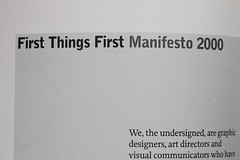
First Things First Manifesto 2000
Thirty-three visual communicators renew the 1964 call for a change of priorities
Reputations: Malcolm Garrett
‘I figure it’s my job to be this kind of blinkered believer. You know: I am the new futurist, I will live in the technological world.’
Type as entertainment
Why Not Associates are the wild boys of the British typographic scene … How do they get away with it?
Word art
In post-war art the visual and the literary have blurred. Typography is the point at which they meet
This signifier is loaded
Zurich designer Cornel Windlin is a fluent graphic stylist and a playful manipulator of communication codes

23 Envelope: ambience and inner space
Operating undercover, using the enigmatic title of 23 Envelope, Nigel Grierson and his partner Vaughan Oliver created designs of exceptional power. Their work inspired the next generation of image-makers. By Rick Poynor
Reputations: Alexander Liberman
‘I think the term “art director” is the greatest misnomer. There’s no art in magazines unless you are reproducing works of art.’
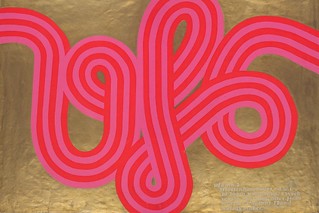
Day-Glo mind blow
Psychedelia hit late 1960s London in an explosion of silk-screen colour