
Feature
Relics of the Modern
Doing up typefaces is not like doing up buildings – more like re-creating the parts from which buildings can be made
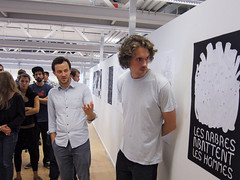
Teaching in the spaces between code and design
Jürg Lehni on the lessons of his Applied Scriptographer Research, carried out with Jonathan Puckey at ECAL
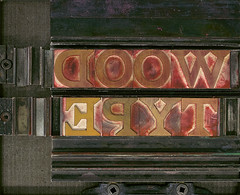
Yin and yang
Matthew Carter, co-founder of the first major digital foundry, explains how he came to design his first wood type
Sound and vision
Given the visceral feelings stirred by music, it’s time we found new, meaningful associations between music and design.
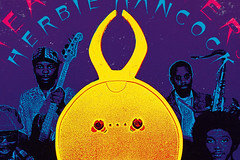
Design + music = magic
The scene creates the style, and sleeves tell us what their contents sound like, but what next?
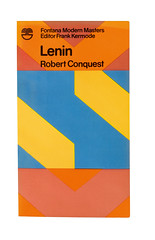
The shape of the century
How 1960s Op Art and cut-up culture informed the cover designs of Fontana Modern Masters in the 1970s.
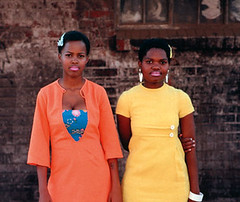
Not all black and white
Changes in South African photobooks reveal a nation now free to explore its self-image
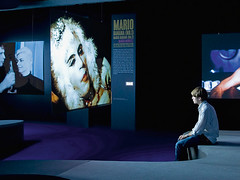
Depth of field
chezweitz & roseapple are the new scenographers, who persuade museum curators to take the integrated approach.
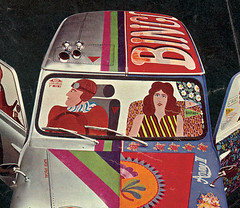
Getting better all the time…
Self-styled ‘graphic entertainer’ Alan Aldridge shot to fame in the mid-1960s with his work for The Sunday Times magazine, Penguin Books, The Beatles, the Rolling Stones and The Who. Aldridge regards The Beatles Illustrated Lyrics (see Eye no. 57 vol. 15) as an ‘illustration of the 1960s’, and you could say the same for much of his new book The Man with Kaleidoscope Eyes (Thames & Hudson, £24.95), published to coincide with the Design Museum show of the same name. In this extract, Aldridge recounts his experiences after being fired from a job as a junior finished artist at Charlotte Studios – ‘supply your own steel rule and X-Acto knife’ – in a London that was just about to Swing.