
Summer 2026
Vinyl colossus
Esmond Edwards
Reid Miles
Bob Parent
Don Martin
Tom Hannan
David X. Young
Design history
Graphic design
Music design
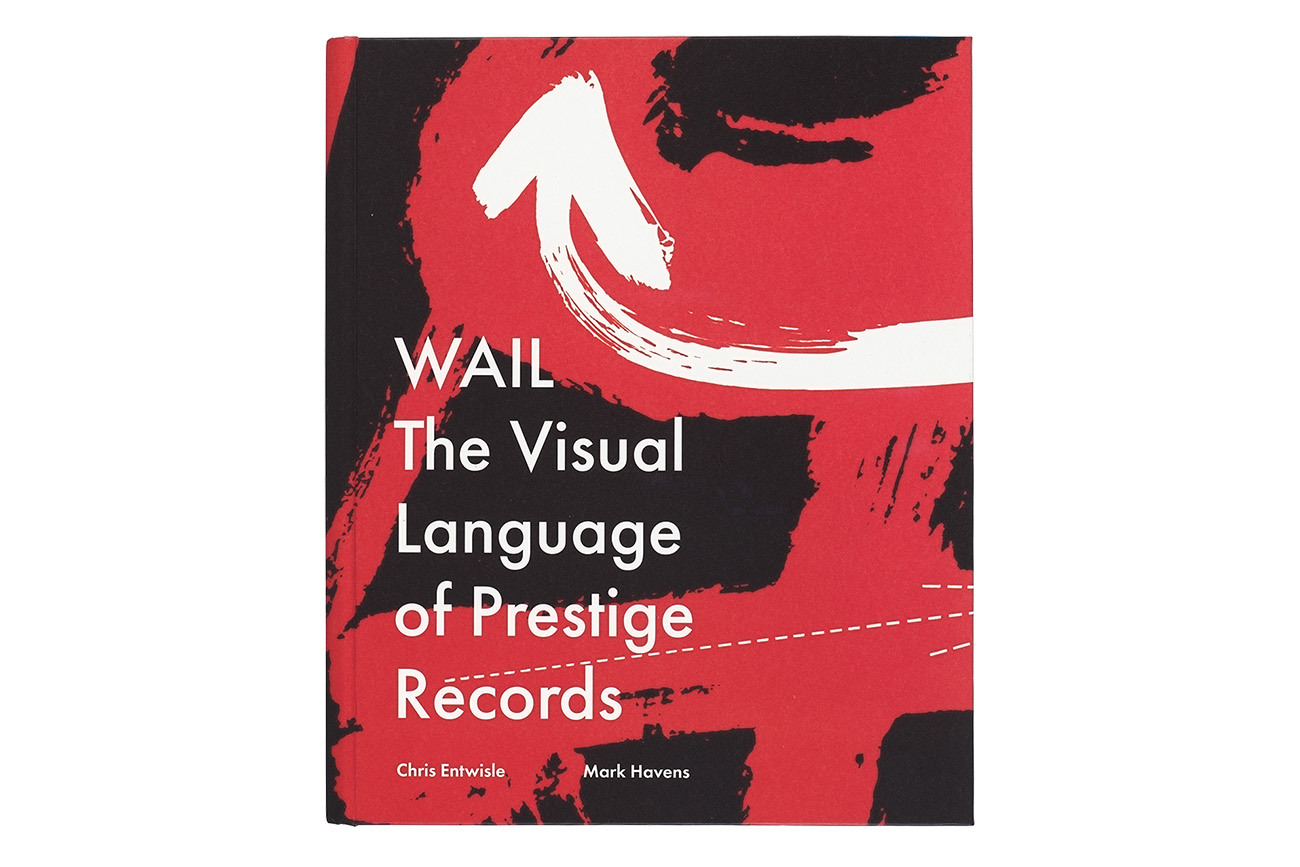
Wail: The Visual Language of Prestige Records
Designed and edited by Chris Entwisle and Mark Havens. Published by RIT Press, $80. Reviewed by John L. Walters
For jazz fans of the heroic postwar modernist era, Prestige is a vitally important label, the graphic shorthand of its celebrated LP covers etched in the visual memories of musicians, DJs, historians and collectors worldwide. Albums from the 1950s such as Walkin’ (Miles Davis), Saxophone Colossus (Sonny Rollins) and Django (The Modern Jazz Quartet) are icons of great Black music that transcend their decade, still the subject of obsessive study and devotion. Yet compared to the visual legacy of Blue Note and CTI, Prestige’s has eluded documentation and celebration. Wail: The Visual Language of Prestige Records (RIT Press, $80, designed and edited by Chris Entwisle and Mark Havens), is a welcome corrective and addition to the history of graphic design for music.
This 360-page tome has a largely chronological structure that includes profiles of (and first-person testimony from) key people, including Prestige’s precocious founder Bob Weinstock, Esmond Edwards, Bob Parent, Don Martin, Reid Miles (better known for his Blue Note covers, see Eye no. 1), Tom Hannan, David X. Young and Ira Gitler.
In his foreword, jazz legend Rollins notes that the label felt more youthful than its rivals. Weinstock’s approach was to enlist musicians and designers and allow them ‘the freedom to explore’, as art director Hollis King points out in his perceptive afterword.
Esmond Edwards (1927-2007), a Black photographer and designer who also produced albums for Prestige, was well attuned to the style and mood of the music, as shown by his covers for John Coltrane, Dorothy Ashby, Lem Winchester, Miles Davis and Basie Reunion, its group photo anticipating Art Kane’s A Great Day in Harlem (see Eye 98).
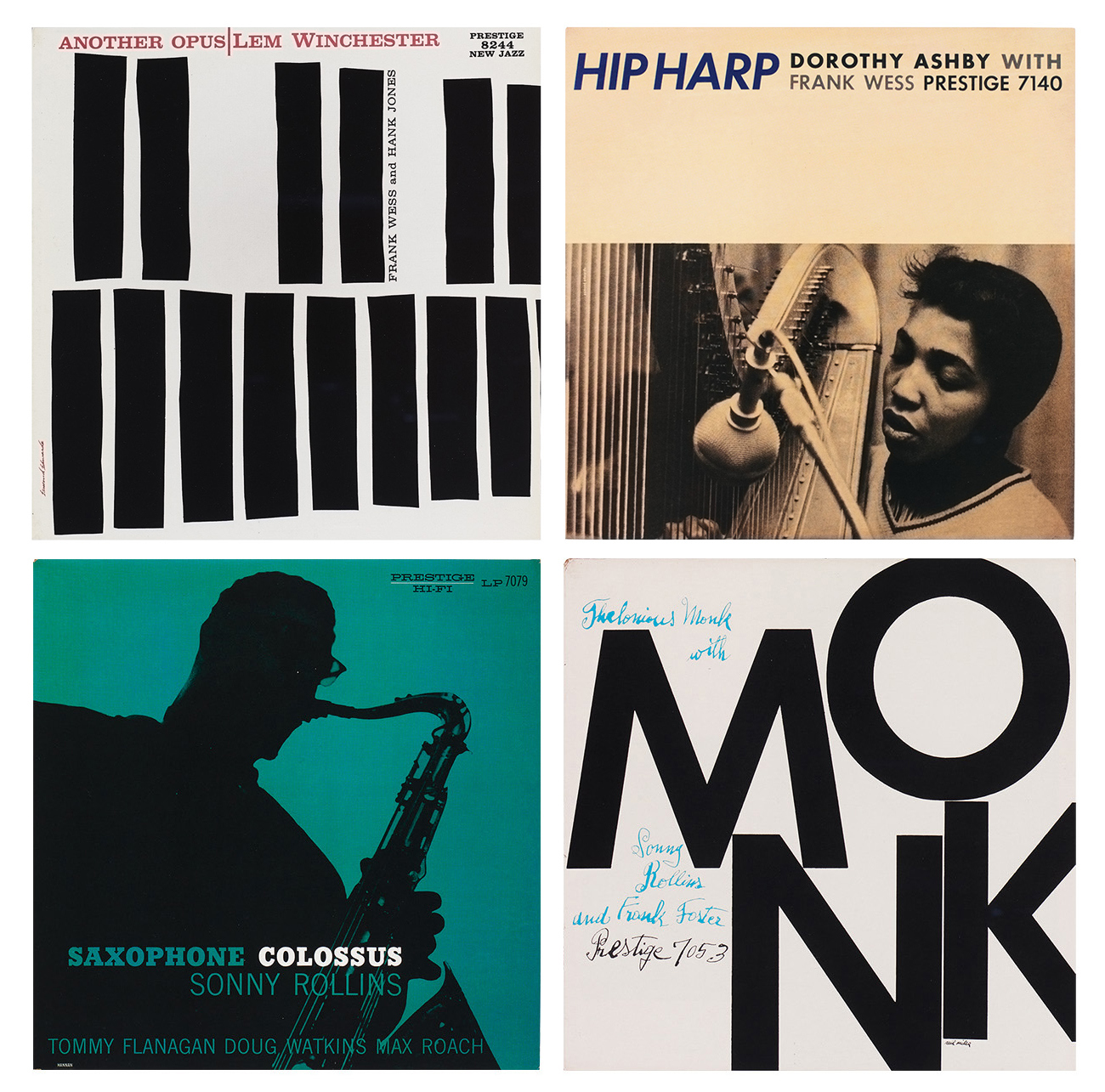
The ‘brashly self-assured’ Reid Miles enjoyed the freedom Weinstock gave him on covers for Thelonious Monk (with lettering by Julia Warhola), Miles Davis and Sonny Stitt, collaborating with illustrators and photographers – including Edwards.
Though made quickly on a tight budget, designs such as Parent’s full bleed The Musings of Miles and Hannan’s imposing silhouette for Saxophone Colossus immediately evoke the style of the era.
And the best of these vinyl LP covers, made when ‘microgroove’ was the latest in sound technology, retain their cool intensity and joyous power. They feel exactly right for the music’s consumers and creators – even when displayed on phones at Lilliputian scale for our ephemeral age of streaming.
John L. Walters, editor of Eye, London
First published in Eye no. 110 vol. 28, 2026
Eye is the world’s most beautiful and collectable graphic design journal, published for professional designers, students and anyone interested in critical, informed writing about graphic design and visual culture. It is available from all good design bookshops and online at the Eye shop, where you can buy subscriptions and single issues.